When I first picked up An Heir of Frost by Elise Kova, I was already expecting a certain standard. After all, Kova is known for her intricately woven worlds, vivid characters, and a magic system that always manages to feel fresh despite the glut of fantasy novels in recent years. But from the very first chapter, it was clear that this book wasn’t just going to meet my expectations—it was going to blow them out of the water.
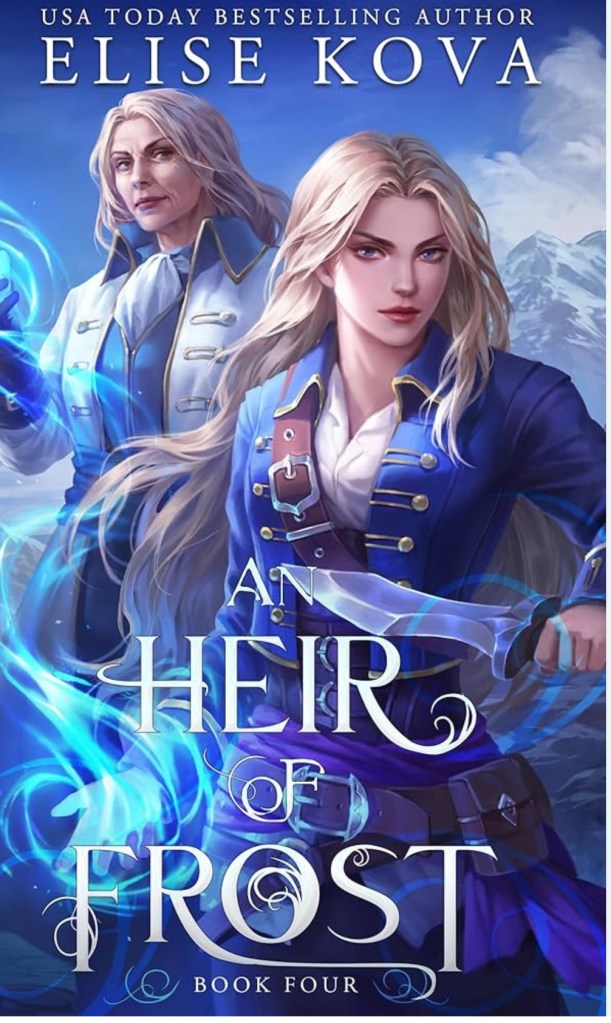
I was immediately drawn into a world that felt at once familiar and entirely unique. There are the usual trappings of a high-fantasy setting: castles perched on cliffs, shadowy forests full of danger, and a vast network of magical traditions that feel both ancient and fragile. Yet, Kova layers these familiar tropes with such care and depth that they seem revitalized. This is not just another tale of a young hero discovering their power—there’s a palpable tension between the weight of tradition and the looming threat of change that elevates An Heir of Frost beyond its genre.
At the heart of this novel is the protagonist, whose journey I found profoundly compelling. Kova has this brilliant knack for crafting characters who feel real, their struggles both internal and external resonating deeply. What struck me most about this particular protagonist wasn’t just their bravery or resourcefulness, though both are certainly abundant. It was their vulnerability, the palpable weight of their responsibilities and the tension between their desires and the roles forced upon them. As the story progressed, I found myself cheering for them, crying with them, and, at times, holding my breath as they stood on the edge of decisions that would ripple across both their personal life and the wider world.
The magic system in this book is another highlight, intricately detailed and woven seamlessly into the fabric of the world. There’s a depth to it that makes it feel like a living thing, one that has been evolving for centuries, influenced by both nature and human ambition. What I loved most about the magic here is that it’s not just a tool or weapon; it’s something that carries immense cultural significance. The way Kova explores the different relationships characters have with their powers—some treat it as a birthright, others as a burden—adds layers to an already complex narrative. And just when I thought I had a handle on how magic worked, Kova would throw in a twist that had me rethinking everything I thought I knew. That constant sense of discovery kept me turning the pages.
One of the strongest aspects of An Heir of Frost is its exploration of power and what it means to inherit it. The title itself clues you into the fact that this is a story about legacies, both the ones we are born into and the ones we choose to shape for ourselves. There’s this fascinating tension in the book between tradition and innovation, between the desire to preserve what’s come before and the need to adapt to an ever-changing world. This tension plays out not just in the political intrigue that is ever-present in the background but in the protagonist’s personal journey. They grapple with the expectations placed upon them by family, mentors, and society, all while trying to forge their own path. That struggle felt incredibly real to me, particularly because Kova never presents easy answers. Every decision has consequences, and the protagonist is constantly weighing those costs.
In terms of world-building, Kova has always been a master, but here she outdoes herself. From the icy peaks of the northern kingdoms to the glittering courts of power, each setting feels richly detailed and alive. The frost-bitten world in particular is breathtaking, both in its beauty and its danger. Kova excels at using the environment to mirror the emotional states of her characters, and nowhere is that more evident than in the cold, biting winds and snow-covered landscapes that surround the story’s pivotal moments. It’s not just that the world is vividly described—it’s that every aspect of it feels purposeful, from the architecture of the castles to the layout of the towns to the flora and fauna that populate the wilderness.
One of the standout elements for me was the sense of history that permeates this world. Kova’s world-building is so thorough that you can feel the weight of centuries of tradition and conflict pressing down on the characters. There are allusions to ancient wars, forgotten gods, and long-lost magics that give the sense that the world of An Heir of Frost extends far beyond the pages of this one book. It’s the kind of world that makes you want to dive deeper, to learn more about the lore and history that shape the characters’ present circumstances.
Speaking of characters, while the protagonist’s journey is undoubtedly the heart of the book, Kova surrounds them with a cast of supporting characters who are just as intriguing. There are allies and enemies, mentors and rivals, and each one is fully realized with their own motivations, desires, and flaws. What I appreciated most is that none of the relationships in this book are simple. The lines between friend and foe are often blurred, and the protagonist is constantly reevaluating who they can trust. The interpersonal dynamics are as fraught with tension as the broader political and magical conflicts, and that kept me on edge throughout the entire book.
One of my favorite dynamics was between the protagonist and a certain character whose motivations remain mysterious for much of the story. There’s a push and pull between them that’s both exhilarating and nerve-wracking. Their relationship evolves in ways that I didn’t expect, and by the end of the book, I was left with more questions than answers—but in the best way. Kova is a master of slow-burn tension, and I have a feeling that this particular relationship is going to be key to the rest of the series.
While the pacing of the book is generally strong, there were moments where the narrative slowed to focus on the more introspective aspects of the protagonist’s journey. For some readers, these quieter moments might feel like a lull in the action, but for me, they were some of the most powerful parts of the story. It’s in these moments that we see the protagonist grappling with their own identity, their fears, and their hopes for the future. These introspective scenes give the reader a chance to breathe and reflect, and they add a layer of emotional depth that I found incredibly satisfying.
That said, when the action does pick up, it’s intense and gripping. The stakes are always high, and Kova knows how to craft a fight scene that’s as much about strategy and character development as it is about swordplay and magic. The climactic moments of the book had me on the edge of my seat, and the twists and turns along the way kept me guessing right up until the final pages. Just when I thought I had things figured out, Kova would throw in a curveball that had me reeling. But what I appreciated most was that none of these twists felt cheap or unearned. Each one was the result of careful plotting and character development, and by the time I reached the end, I was left with a deep sense of satisfaction—even as I was eagerly anticipating the next installment.
In conclusion, An Heir of Frost is a masterful addition to Elise Kova’s body of work. It’s a story about magic and power, yes, but it’s also a deeply personal tale about identity, legacy, and the difficult choices we all must make in the face of an uncertain future. The world-building is immersive, the characters are complex and compelling, and the magic system is both intricate and awe-inspiring. If you’re a fan of epic fantasy with heart, then this book is not to be missed. I, for one, can’t wait to see where Kova takes us next.


 Chapters on Wheelz
Leave a comment