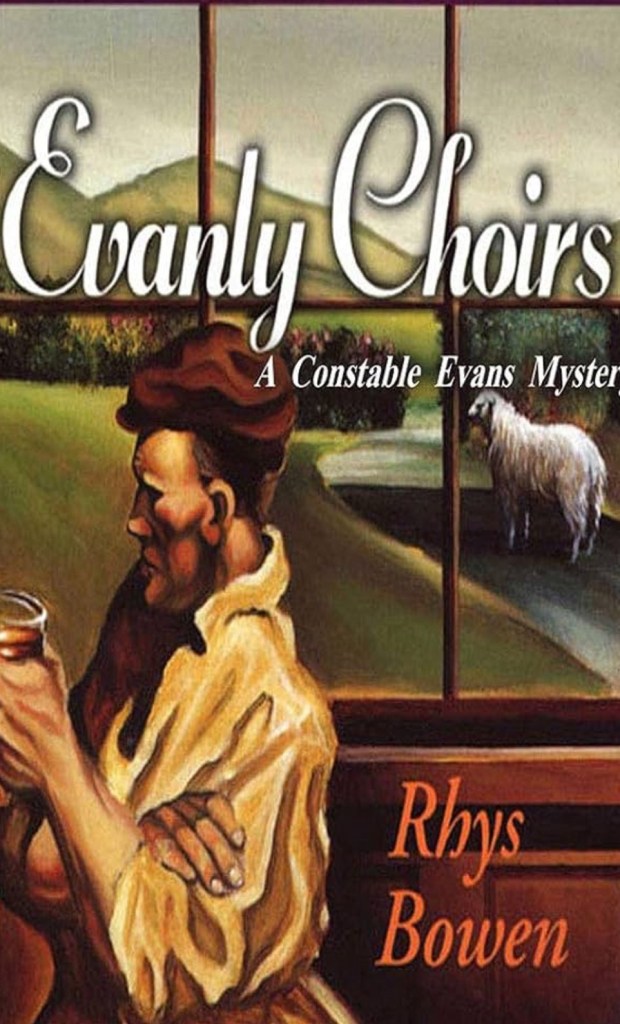
Book Review: “Evanly Choirs” by Rhys Bowen
Overview
“Evanly Choirs” is the third novel in Rhys Bowen’s beloved Constable Evan Evans series, which follows the charming and astute police constable Evan Evans as he navigates the complexities of life and crime in the small Welsh village of Llanfair. The series is known for its blend of cozy mystery, vivid setting, and engaging characters, and “Evanly Choirs” is no exception. Released in 1999, this installment continues to deliver the same combination of warmth, wit, and intrigue that has made the series popular among fans of traditional British mysteries.
Plot Summary
The story begins with the arrival of a well-known television production company in Llanfair, which is set to film a documentary on Welsh male voice choirs, a cultural staple in the region. This event sparks excitement and competition in the village, particularly among the local choirs, each eager to showcase their talent on national television. Amid this excitement, the small village atmosphere is disrupted by a series of mysterious events, including the sudden disappearance of a local woman and the tragic death of a choir member.
Constable Evan Evans, known for his dedication and insight, is thrust into the middle of these investigations. As he digs deeper, he uncovers secrets and tensions within the community that hint at a more sinister undercurrent beneath the village’s serene exterior. The plot thickens as Evans uncovers a web of rivalry, betrayal, and hidden motives, all connected to the choir and its members. Balancing his personal life, including his budding relationship with schoolteacher Bronwen Price, with his professional duties, Evans must unravel the truth before the killer strikes again.
Characters
Rhys Bowen excels at creating a cast of characters that feel authentic and multidimensional, each contributing to the novel’s rich tapestry.
- Constable Evan Evans is the quintessential cozy mystery detective: smart, good-natured, and deeply invested in his community. His intelligence is subtle, marked by his quiet observation and understanding of human nature. Throughout the novel, his interactions with villagers, suspects, and colleagues reveal his methodical approach to problem-solving.
- Bronwen Price, Evan’s love interest, continues to develop as a character. Their relationship, though understated, adds a layer of warmth to the narrative. Bronwen’s role in this novel is more supportive, but she serves as a grounding influence for Evan, reminding readers of his life outside of police work.
- The villagers of Llanfair, from the gossipy barmaid Betsy to the stoic choir members, each bring their own quirks and secrets to the story. Bowen masterfully weaves these characters into the plot, using them to both mislead and inform the reader as the mystery unfolds.
Themes
“Evanly Choirs” touches on several themes common to traditional mysteries, but Bowen’s handling of them is particularly skillful:
- Community and Isolation: The novel explores the duality of small-town life, where a close-knit community can be both supportive and suffocating. The arrival of the TV crew exacerbates existing tensions and rivalries, revealing how easily a community’s harmony can be disrupted.
- Ambition and Jealousy: The competition among the choirs serves as a microcosm for broader human ambitions. Bowen deftly examines how the desire for recognition and success can lead individuals down dark paths, including deception and even murder.
- Tradition vs. Modernity: The clash between the traditional values of Llanfair and the modern, invasive nature of the television production is another key theme. This tension highlights the challenges faced by rural communities in maintaining their cultural identity in an increasingly globalized world.
Writing Style and Pacing
Rhys Bowen’s writing style in “Evanly Choirs” is crisp, clear, and accessible, which is typical of the cozy mystery genre. She has a knack for setting scenes vividly, allowing readers to immerse themselves in the Welsh countryside, with its rolling hills, quaint cottages, and, of course, the choirs that are at the heart of the story.
The pacing of the novel is well-balanced, with Bowen expertly alternating between the ongoing investigation and the day-to-day life of the village. The narrative unfolds steadily, with enough twists and turns to keep readers engaged but not overwhelmed. Bowen’s use of misdirection is particularly effective, as she plants red herrings throughout the story, keeping the reader guessing until the final reveal.
Critique
While “Evanly Choirs” is a strong entry in the Constable Evans series, it is not without its minor flaws. Some readers may find the mystery’s resolution a bit predictable, especially if they are seasoned fans of the genre. The suspect pool, while diverse, is limited by the village setting, which may lead some to guess the culprit before the novel’s climax.
Additionally, while the character development is generally solid, a few of the secondary characters could have benefited from more depth. In a small village setting, every character has the potential to play a significant role, and some readers might feel that certain characters were underutilized.
Conclusion
“Evanly Choirs” is a delightful and engaging read, perfect for fans of cozy mysteries who appreciate a strong sense of place and character. Rhys Bowen has crafted a novel that not only entertains but also offers a thoughtful commentary on human nature and community dynamics. While it may not break new ground in the genre, it delivers exactly what fans of the series have come to expect: a charming, well-plotted mystery set against the backdrop of a picturesque Welsh village.
For readers who enjoy a blend of mystery, humor, and heart, “Evanly Choirs” is a worthy addition to their bookshelf. It’s a book that can be enjoyed on a quiet afternoon, preferably with a cup of tea in hand and a Welsh choir playing softly in the background.


 Chapters on Wheelz
Leave a comment