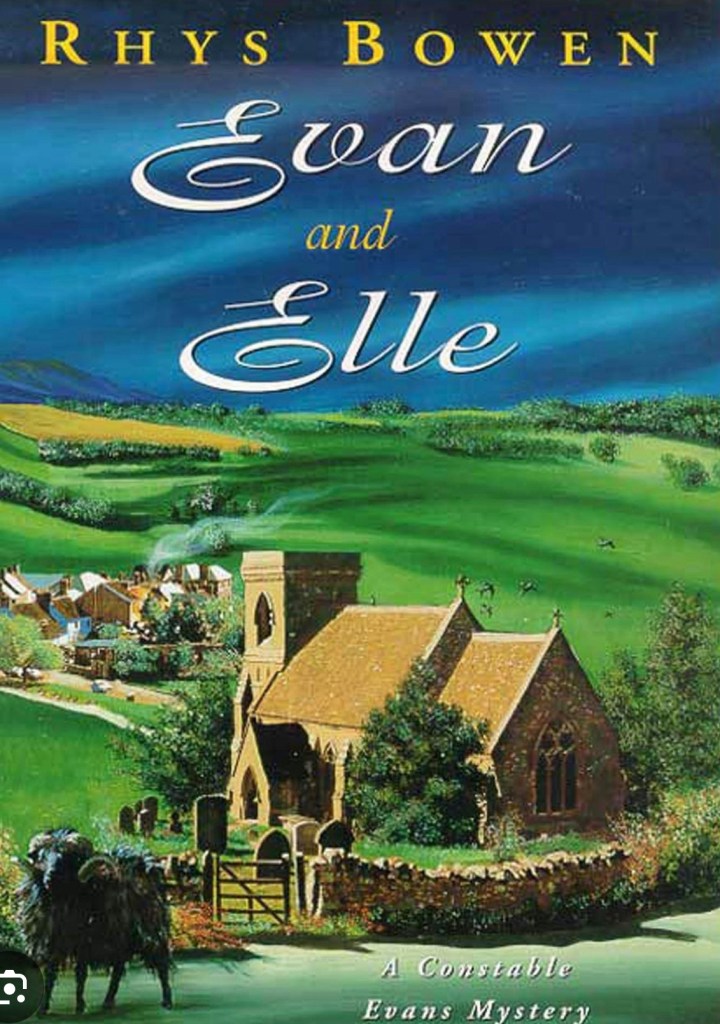
“Evan and Elle,” the fourth novel in Rhys Bowen’s Constable Evans mystery series, is a charming yet suspenseful tale set in the quaint Welsh village of Llanfair. Bowen’s work here is a compelling blend of cozy mystery and police procedural, making it a delightful read for fans of both genres. In this novel,
Bowen continues to develop the rich, picturesque world of Llanfair, drawing readers in with her detailed descriptions and well-crafted characters.
Setting and Atmosphere
One of Bowen’s strongest suits is her ability to create a vivid and immersive setting. Llanfair, nestled in the heart of North Wales, is depicted with such warmth and detail that it becomes a character in its own right. The village, with its winding lanes, stone cottages, and close-knit community, exudes a sense of timelessness. However, Bowen deftly contrasts this idyllic setting with the dark undercurrents of crime that Constable Evan Evans must navigate.
The novel’s atmosphere is quintessentially cozy, with a strong sense of place that draws readers into the heart of Welsh village life. Bowen’s descriptive writing evokes the sounds, smells, and sights of Llanfair, making the reader feel as though they are walking alongside Evans through the misty hills and cobbled streets. This strong sense of place is one of the most appealing aspects of the book, especially for readers who appreciate a story where the setting plays a pivotal role.
Plot
The plot of “Evan and Elle” revolves around a mysterious fire that destroys the village’s French restaurant, which had only recently opened. The fire, initially presumed to be accidental, quickly proves to be arson when a body is discovered in the wreckage. This shocking event shakes the small community, especially as the victim is identified as Madame Yvette, the enigmatic wife of the restaurant’s owner.
As Constable Evans investigates, he uncovers a web of secrets and lies hidden beneath the village’s peaceful surface. Bowen skillfully constructs the mystery, dropping clues and red herrings that keep the reader guessing. The plot is well-paced, with enough twists to maintain suspense without straying into the implausible or overly complex.
One of the novel’s strengths is its focus on the investigative process. Evans is a methodical and thoughtful detective, relying more on his understanding of human nature and his knowledge of the village’s residents than on advanced forensic techniques. This approach gives the story a classic feel, reminiscent of the Golden Age of detective fiction, where the emphasis was on the detective’s intellect rather than on modern technology.
Character Development
The characters in “Evan and Elle” are well-developed, with Bowen taking care to flesh out even the secondary figures in the village. Constable Evan Evans continues to be a likable and relatable protagonist. He is conscientious and kind-hearted, with a strong sense of duty. His interactions with the villagers reveal his deep connection to the community, and his internal conflicts—such as his feelings for Bronwen, the local schoolteacher, and his ambivalence about his career prospects—add depth to his character.
Madame Yvette, though deceased for most of the novel, is a pivotal figure. Bowen gradually reveals her complex background, which becomes crucial to understanding the motive behind the crime. The other villagers, from the gossipy Mrs. Williams to the gruff Colonel Arbuthnot, add color to the narrative, each contributing to the village’s intricate social fabric.
Bowen also introduces some new characters, such as the French chef, Henri, who bring a fresh dynamic to the story. These characters are not just plot devices but are integrated into the village’s life, making the world of Llanfair feel lived-in and real.
Themes
Several themes run through “Evan and Elle,” with community and identity being at the forefront. The novel explores the tensions that arise in a small village when an outsider—in this case, a French couple—arrives and challenges the status quo. This theme of xenophobia and the clash of cultures is subtly woven into the narrative, adding a layer of social commentary to the mystery.
Another significant theme is the idea of secrets and their impact on a community. Bowen suggests that even in a close-knit village like Llanfair, everyone has something to hide, and these hidden truths can lead to devastating consequences when brought to light.
Writing Style
Rhys Bowen’s writing style is straightforward and engaging, with a strong focus on narrative clarity. She excels in dialogue, capturing the distinctive voices of her Welsh characters with authenticity and charm. The humor in the book is gentle and understated, often emerging in the interactions between Evans and the more eccentric villagers. This lightness of touch helps to balance the darker elements of the plot, making the novel a comfortable read despite its crime-centered storyline.
Bowen also has a talent for pacing, with each chapter driving the story forward while allowing for moments of reflection and character development. The alternating focus between the mystery and Evans’s personal life keeps the narrative well-rounded and prevents it from becoming too single-mindedly focused on the investigation.
Conclusion
“Evan and Elle” is a delightful entry in the Constable Evans series, showcasing Rhys Bowen’s ability to craft an engaging mystery set in a richly detailed world. While the novel can be read as a standalone, readers who have followed the series will appreciate the continued development of recurring characters and the deepening of the village’s social landscape.
For fans of cozy mysteries, especially those with a taste for rural settings and character-driven stories, “Evan and Elle” is a highly recommended read. Bowen’s blend of warmth, wit, and suspense makes this novel not just a mystery to be solved, but a journey into a world that readers will want to visit again and again.


 Chapters on Wheelz
Leave a comment