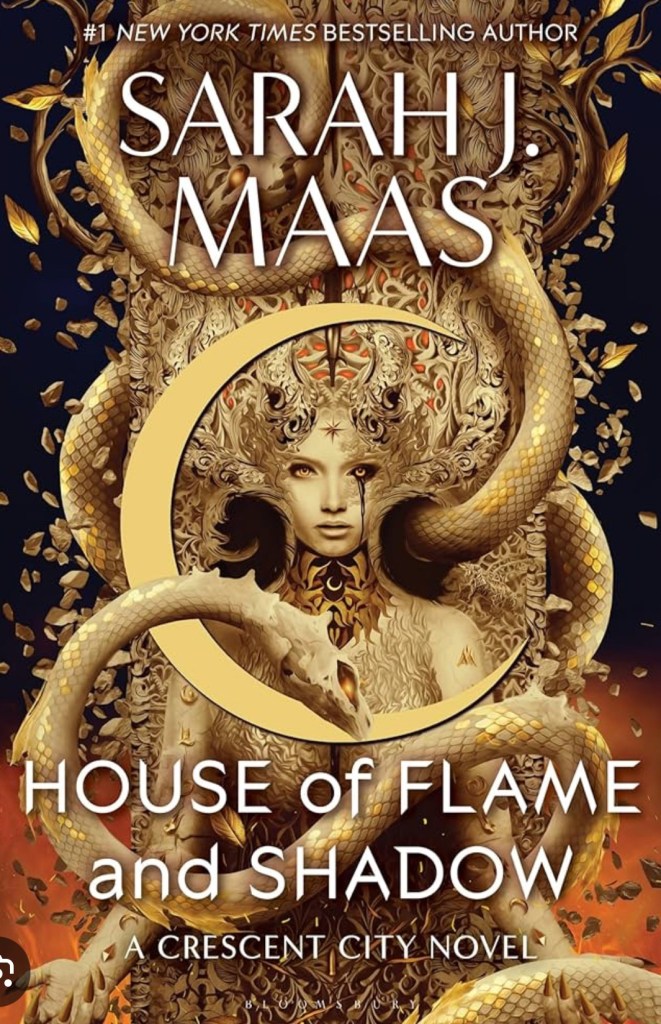
Sarah J. Maas’s “House of Flame and Shadow,” the third installment in the “Crescent City” series, has taken the literary world by storm, exemplifying the burgeoning “romantasy” genre—a seamless blend of romance and fantasy. The novel’s release on January 30, 2024, was met with unprecedented enthusiasm, selling 44,761 copies in its first week and becoming the third fastest-selling science fiction and fantasy title since records began.
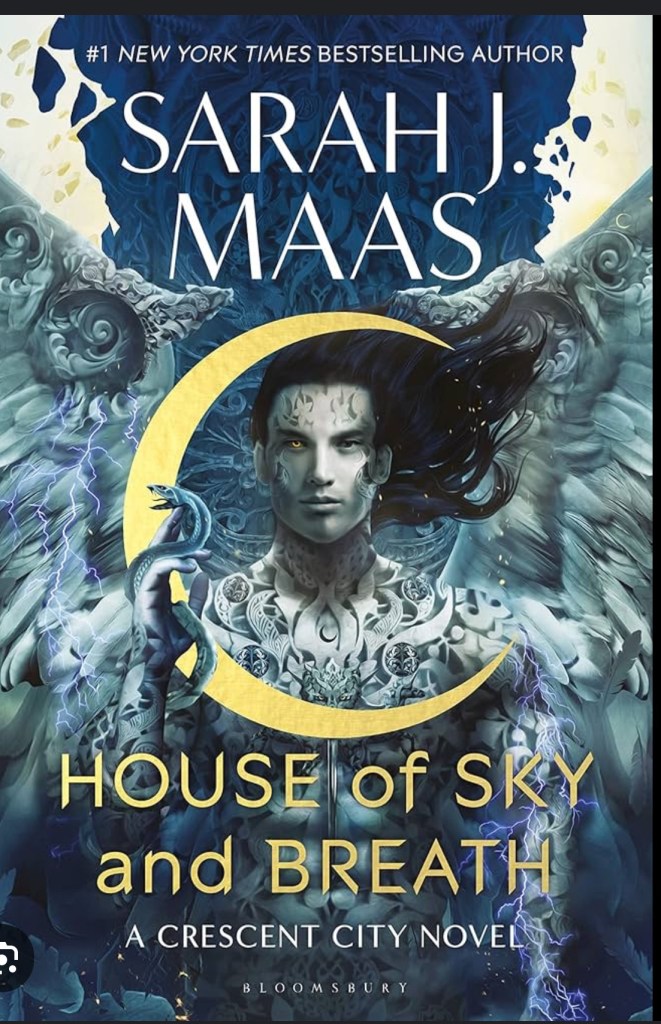
“House of Sky and Breath,” the second installment in Sarah J. Maas’s “Crescent City” series, continues the journey of Bryce Quinlan and Hunt Athalar in the urban fantasy realm of Crescent City. This sequel delves deeper into the intricate dynamics of its characters and the complex socio-political landscape they navigate.
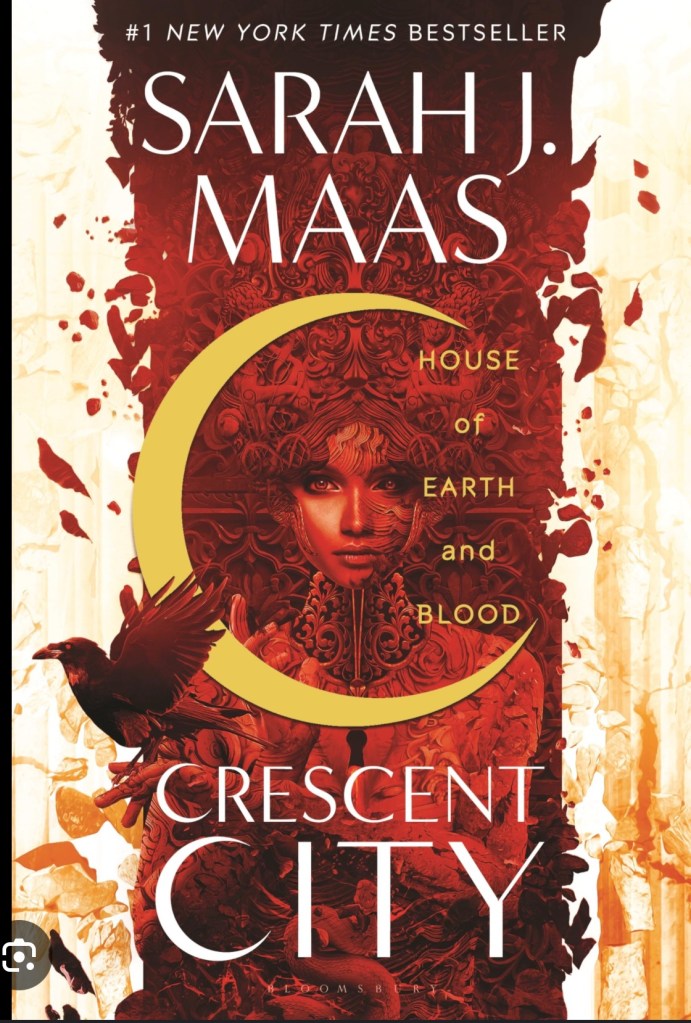
Sarah J. Maas, best known for her Throne of Glass and A Court of Thorns and Roses series, delivers an urban fantasy epic with House of Earth and Blood, the first book in the Crescent City series. Combining her signature blend of romance, adventure, and intricate world-building, Maas shifts into an adult fantasy setting that’s rich with political intrigue, supernatural beings, and deeply personal stakes.
Plot Summary
The story follows Bryce Quinlan, a half-human, half-Fae party girl living in Crescent City, a modern metropolis teeming with magic and danger. Bryce’s life takes a tragic turn when her closest friends are brutally murdered by a mysterious demon. Two years later, when the case reopens, Bryce teams up with Hunt Athalar, a disgraced angel serving as an assassin for the Archangels. Together, they unravel a conspiracy that threatens not only Crescent City but the delicate balance of power in their world.
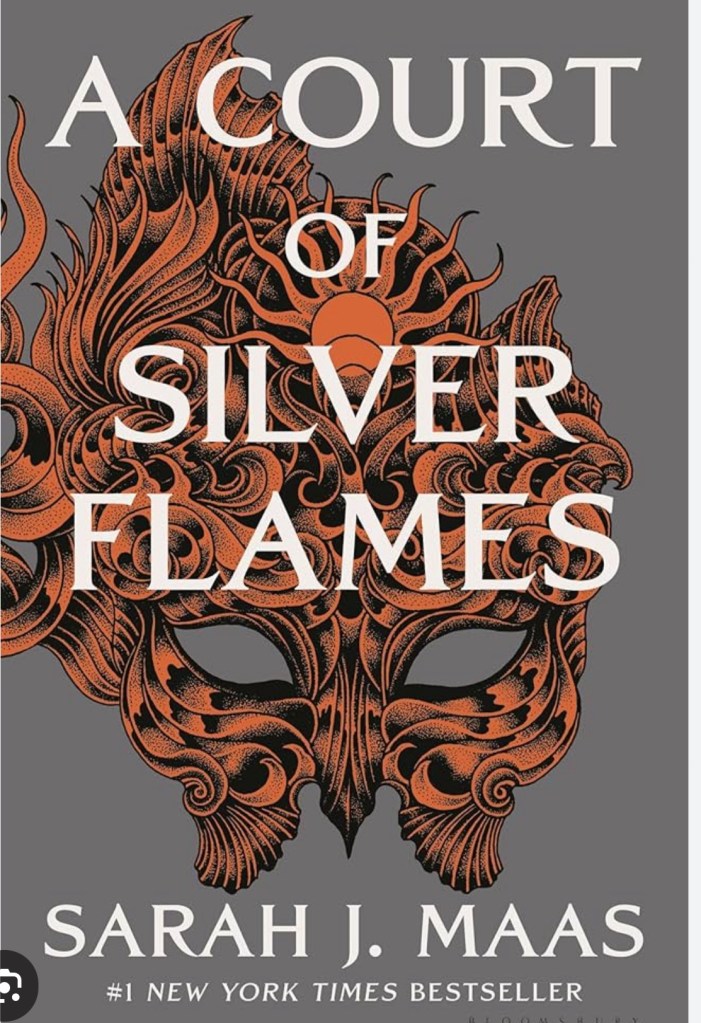
In A Court of Silver Flames, Sarah J. Maas takes us on an intimate and raw journey through the eyes of Nesta Archeron. If you thought Nesta was a mystery before, this book lays bare her complex, often conflicting emotions, and her growth takes center stage in a way that’s both painful and triumphant. From the very first page, I felt as though I was being pulled into the depths of her struggle—her battle with herself, her trauma, and ultimately, her sense of worth.
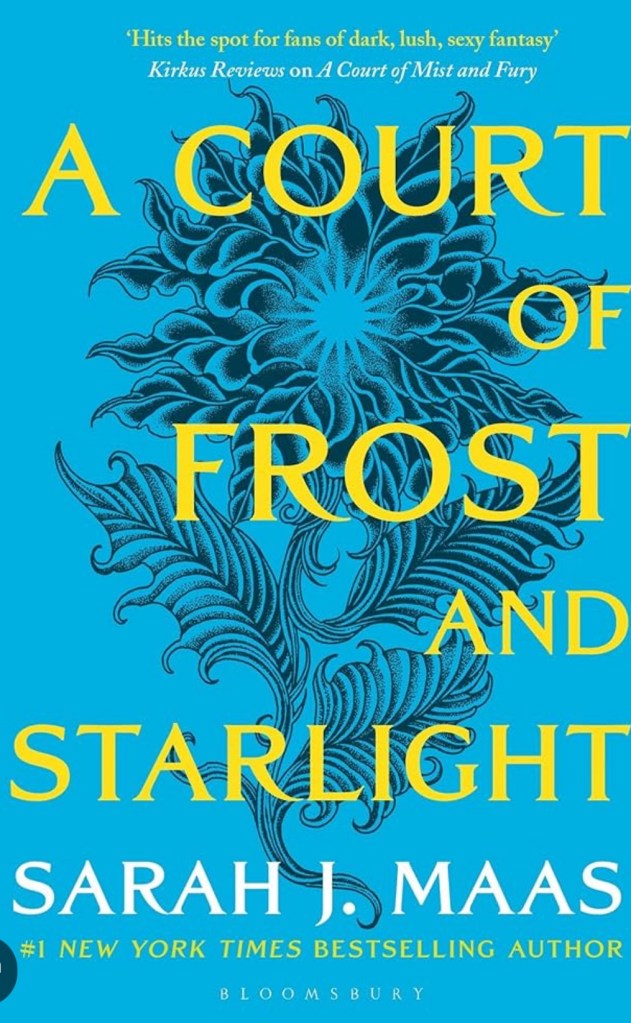
When I picked up A Court of Frost and Starlight, I was curious about how Sarah J. Maas would bridge the events of A Court of Wings and Ruin and the future of the Night Court. This book is different from the previous entries in the A Court of Thorns and Roses series—it’s quieter, more introspective, and a necessary breather after the tumultuous events that have shaped these characters’ lives. While A Court of Frost and Starlight may not be a sweeping epic of battle and intrigue, it shines in its exploration of healing, relationships, and the subtle tensions that arise in a world rebuilding itself.
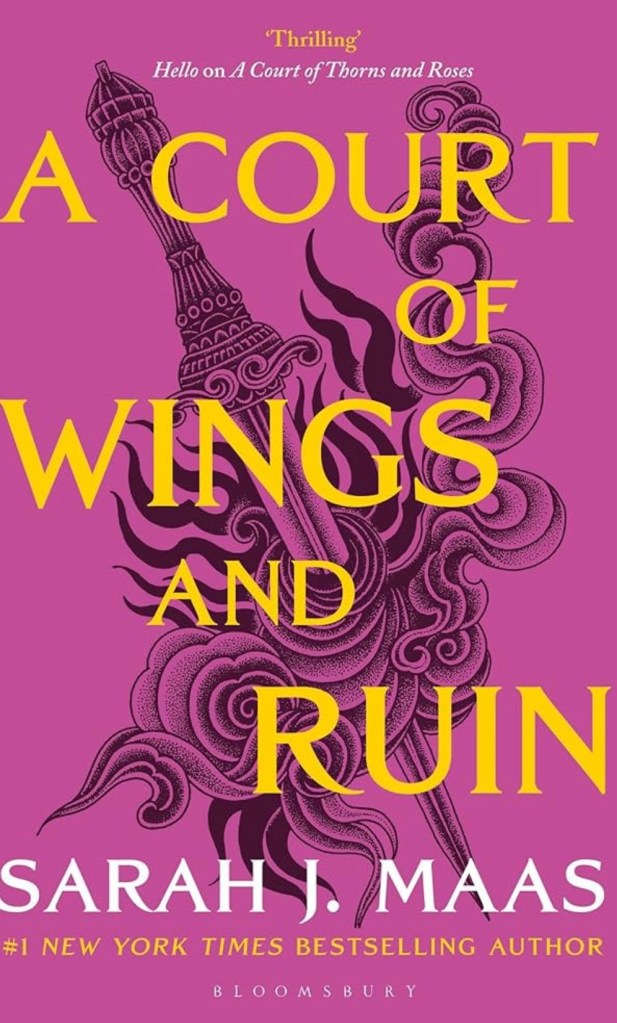
Diving back into the world of Prythian with A Court of Wings and Ruin felt like stepping into a storm—one where the winds of war, betrayal, and unlikely alliances battered me from every direction. I knew this third installment in Sarah J. Maas’s A Court of Thorns and Roses series would be intense, but I was not prepared for the emotional whirlwind that awaited me. The stakes are higher, the tensions palpable, and the scope grander than ever before. As I turned each page, I found myself pulled deeper into the chaos, my heart constantly racing with anticipation of what might come next.
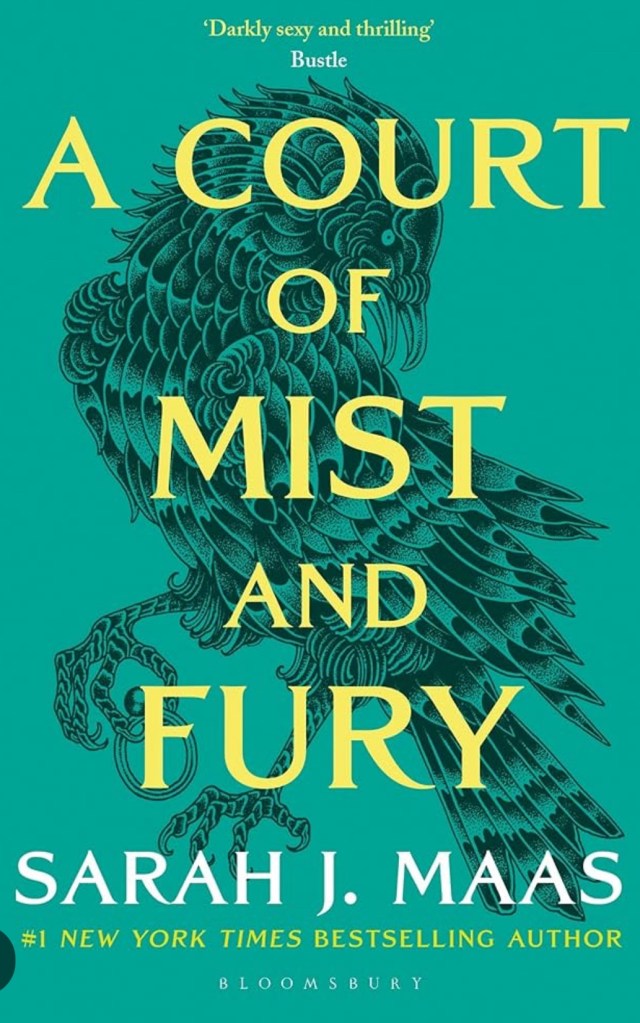
I’ve always been someone who enjoys books that not only entertain but also take me on a journey of emotional and intellectual growth. And Sarah J. Maas’s A Court of Mist and Fury (ACOMAF) truly fits that bill. If you’ve read the first book in this series, A Court of Thorns and Roses, you might expect more of the same in the sequel—romance, tension, a touch of fantasy. But let me tell you, ACOMAF is an entirely different beast, taking a leap into a richly developed world filled with complex characters and intricate plotlines that shift your understanding of everything that came before.
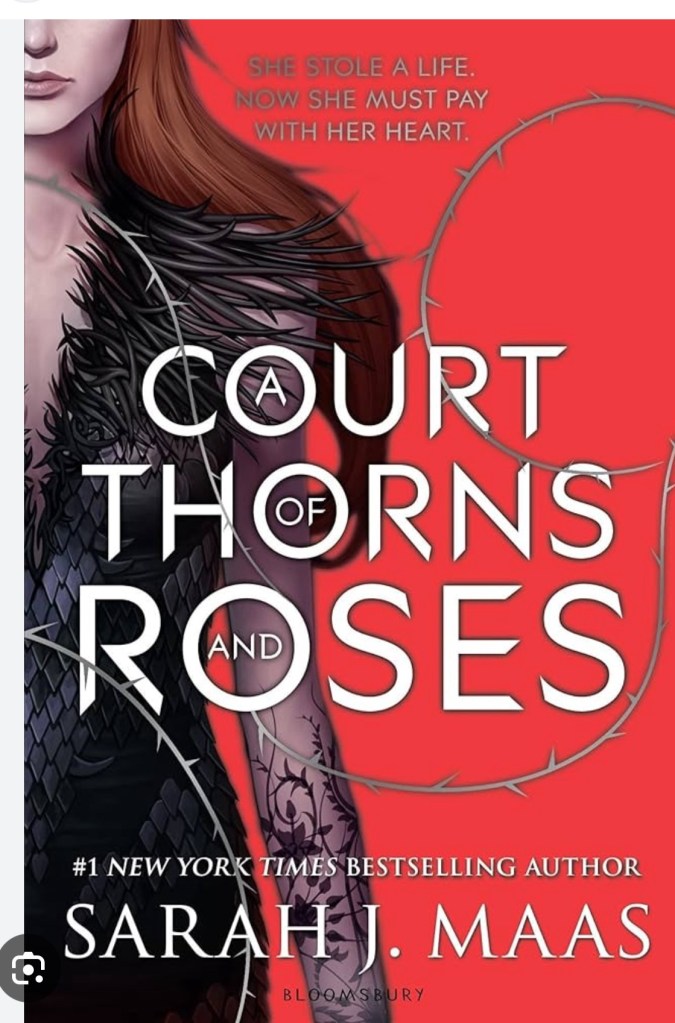
When I first picked up A Court of Thorns and Roses (ACOTAR) by Sarah J. Maas, I had a vague notion of what to expect: a fairytale retelling with a touch of romance, set in a world of fae. Yet, the moment I dove into the pages, I realized that this story was so much more complex, layered, and emotionally charged than I had anticipated. There’s a certain pull that the novel exerts from the very first chapter, a magnetism that comes from both its vivid world-building and its characters, who evolve and deepen in unexpected ways.
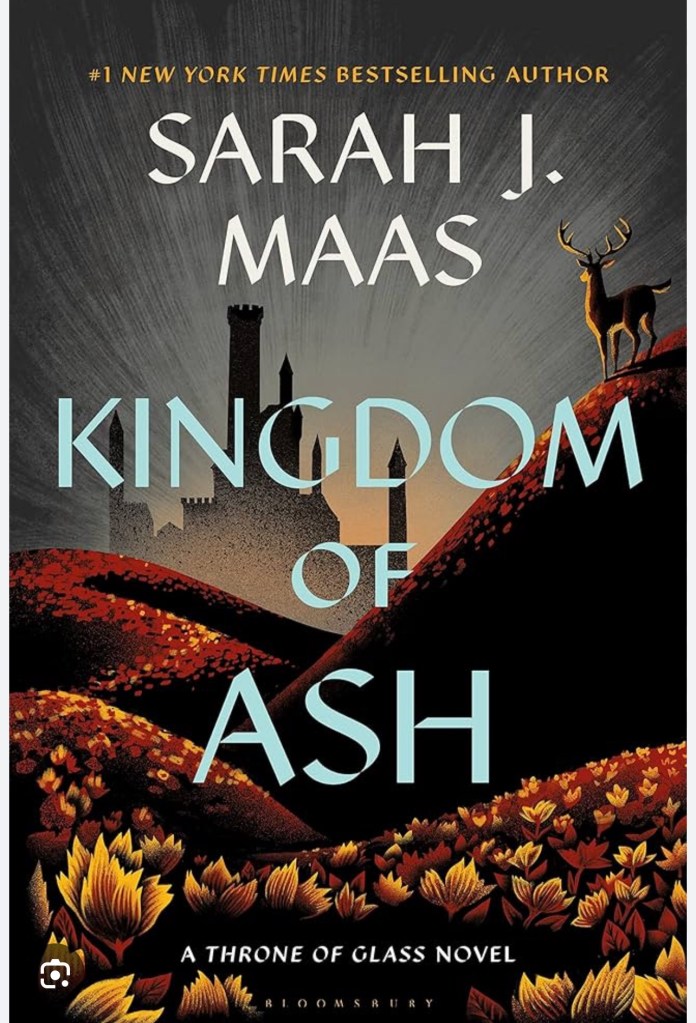
I’ve just finished reading Kingdom of Ash, the final book in Sarah J. Maas’ Throne of Glass series, and I’m feeling a mix of emotions—exhausted from the intensity of it, yet strangely satisfied. This book is the culmination of a journey that started with Throne of Glass and spanned across seven books, growing more complex, darker, and more emotionally charged with each installment. From the very first page, I was reminded of why I fell in love with this series, and by the end, I was left in awe of Maas’ ability to bring such an epic tale to a fitting close.
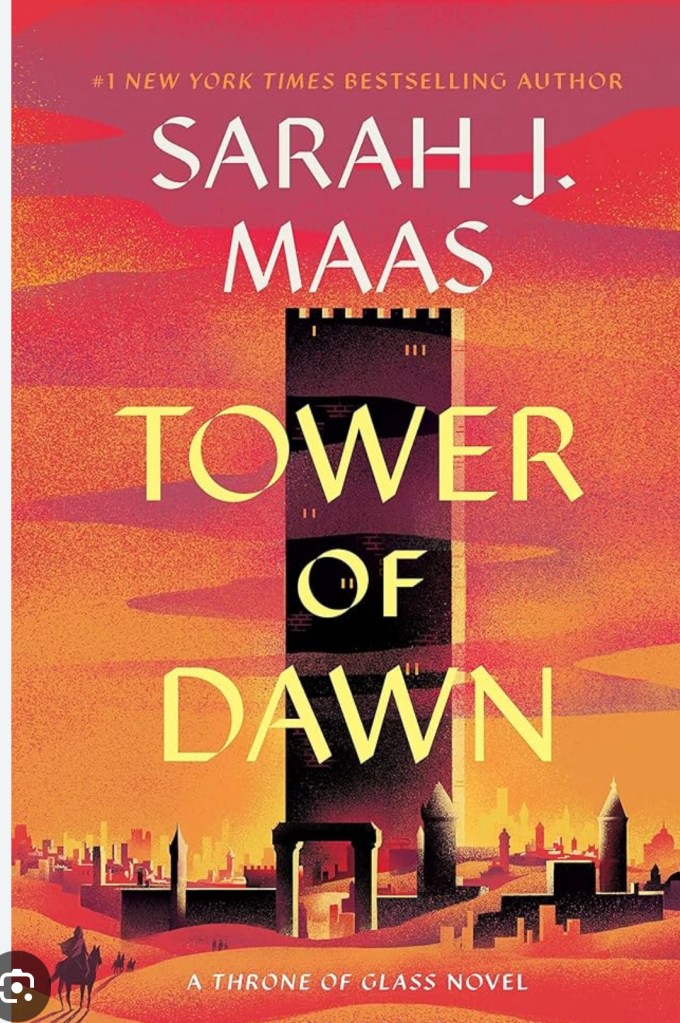
“Tower of Dawn” by Sarah J. Maas is a book I went into with a bit of hesitation, and perhaps that’s a sentiment many share. It’s not because I didn’t trust Maas’ ability to craft an engaging story—her previous works had already cemented her as a powerhouse of the fantasy genre. But because this book was, at least initially, unexpected. This isn’t a continuation of the main storyline
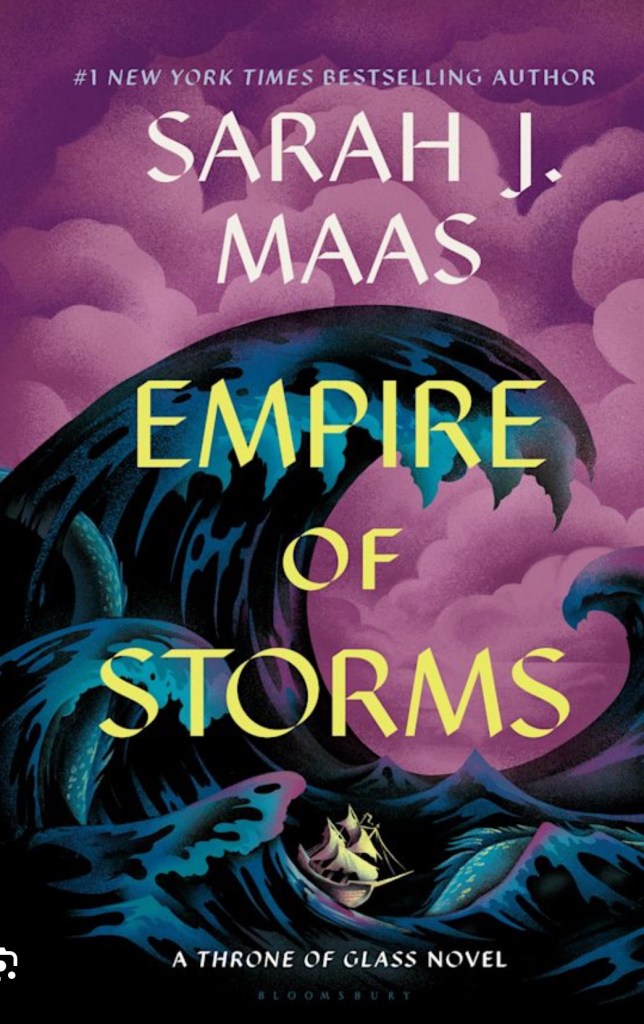
When I first picked up Empire of Storms, the fifth book in Sarah J. Maas’s Throne of Glass series, I was already deeply immersed in this world of magic, war, and complex characters. By this point, I felt I had a strong sense of who these characters were, what drove them, and where the story was headed—or at least, I thought I did. This novel quickly disabused me of that notion.
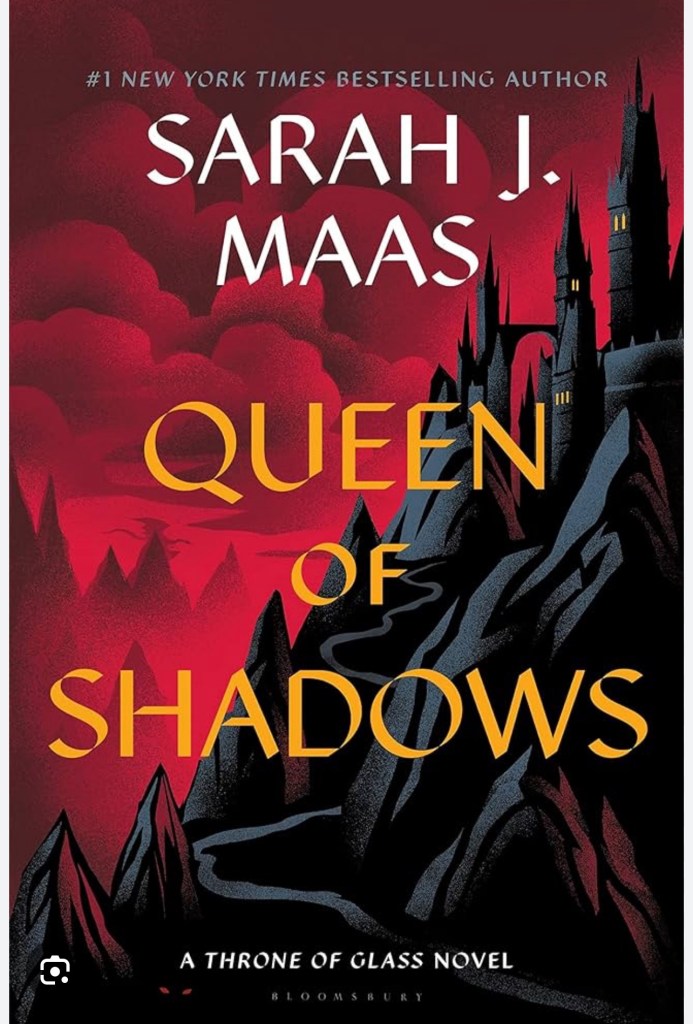
Queen of Shadows, the fourth book in Sarah J. Maas’ Throne of Glass series, is a masterful continuation of a sprawling fantasy epic that grips readers with its evolving characters, high-stakes politics, and emotionally charged moments. As someone who has followed the story from the beginning, Queen of Shadows feels like a monumental shift—a turning point that reshapes everything I thought I knew about the world Maas has crafted.
From the very first page of Heir of Fire, I knew this installment of the Throne of Glass series was going to be different. It felt darker, more introspective, and more complex than the first two books. Sarah J. Maas deftly takes us deeper into her world, not just geographically but emotionally, as we follow Celaena Sardothien on a path that is both epic in scale and deeply personal.
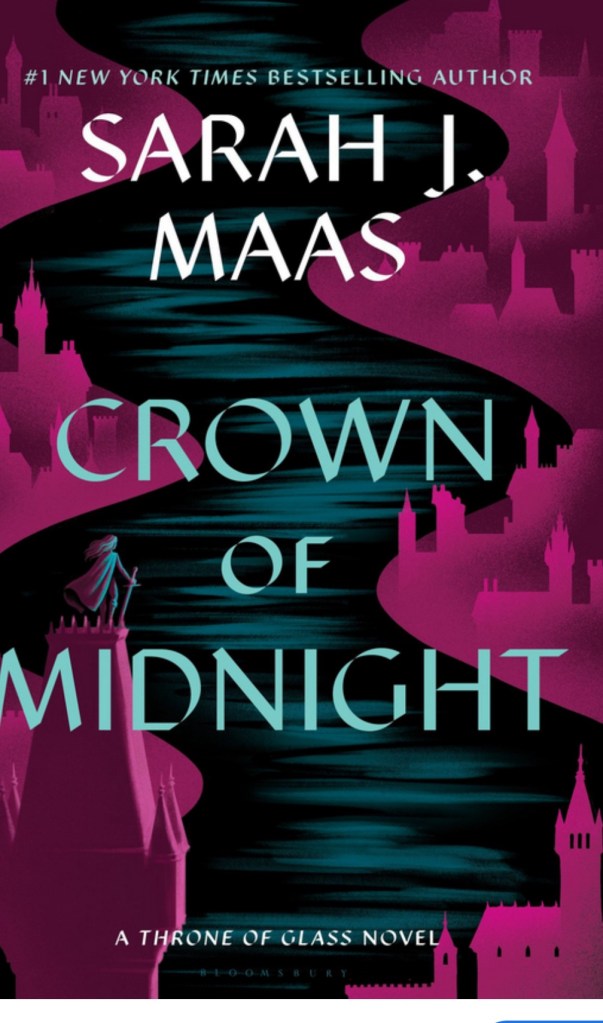
I recently finished Crown of Midnight, the second book in Sarah J. Maas’s Throne of Glass series, and wow—this one took things to a whole new level. If Throne of Glass set the groundwork with a good introduction to the world and characters, Crown of Midnight blew that open and left me reeling with its plot twists, emotional depth, and non-stop action.
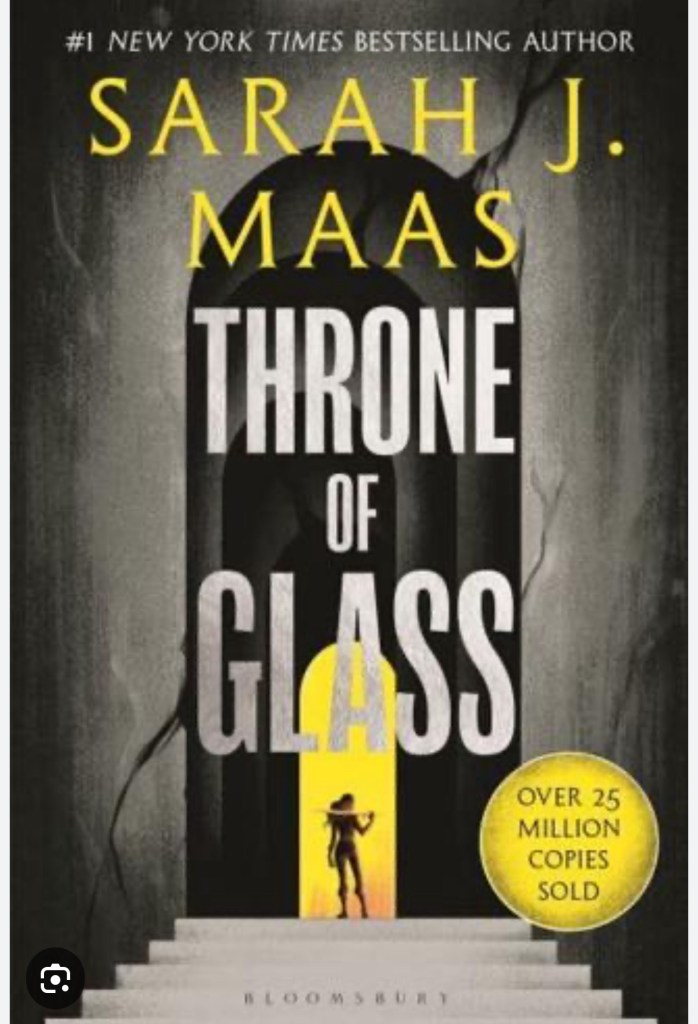
Throne of Glass by Sarah J. Maas really captivated me with its richly imagined world of intrigue and danger. Set in the kingdom of Adarlan, it follows Celaena Sardothien, a young assassin with a complex past and a fierce drive to reclaim her freedom.
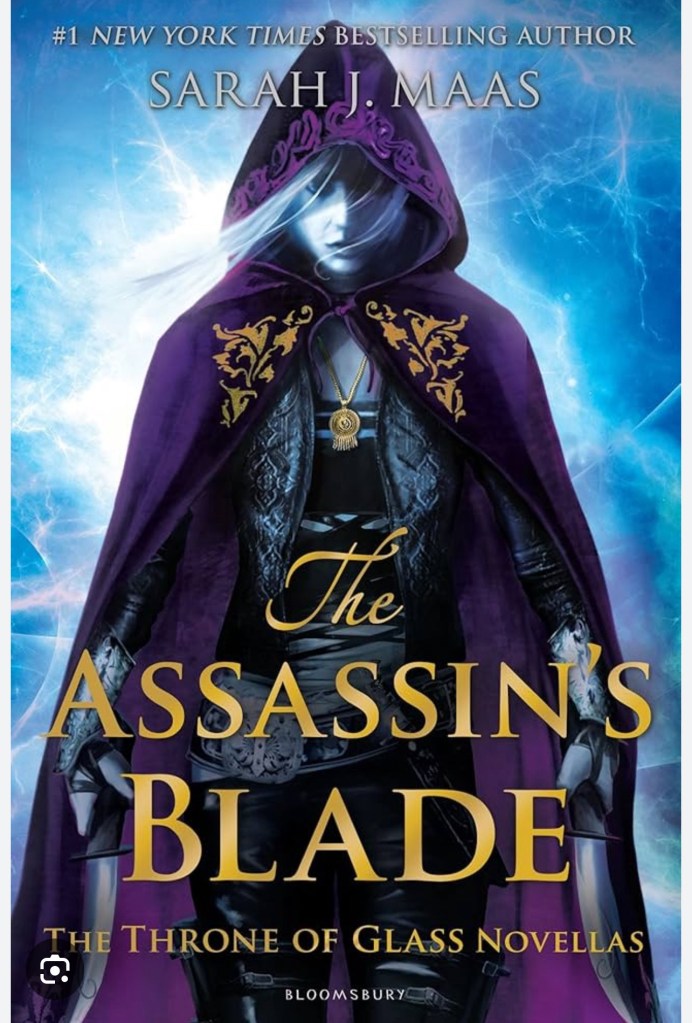
Sarah J. Maas’s “Assassin’s Blade” is a compelling prequel to her Throne of Glass series, offering a gripping dive into the origins of Celaena Sardothien, the notorious assassin of Adarlan. This collection of novellas provides a rich backstory, fleshing out Celaena’s character before the events of the main series.
From the outset, Maas’s signature world-building shines. The richly detailed setting immerses readers in a world of political intrigue, magic, and deadly rivalries. Each novella delves into different facets of Celaena’s life and the complex dynamics of her relationships. Maas’s writing captures the essence of Celaena’s fierce independence, her cunning strategies, and the depth of her vulnerabilities.
One of the book’s strengths lies in Maas’s ability to balance action with emotional depth. The fast-paced, high-stakes adventures are matched by poignant moments that reveal Celaena’s inner struggles and growth. This combination keeps the narrative engaging and multidimensional.
“Assassin’s Blade” also provides valuable context for the Throne of Glass series, enriching the reader’s understanding of the characters and the political landscape. Maas’s exploration of themes like loyalty, redemption, and the burdens of leadership adds layers to the story, making it not just a collection of exciting tales but a meaningful prelude to the main saga.
In conclusion, “Assassin’s Blade” is a must-read for fans of the Throne of Glass series and those new to Maas’s work. It offers a captivating blend of action, character development, and world-building that sets the stage for the epic narrative that follows.



Recent Comments